
What you don’t see when photographing a Formula 1 Grand Prix
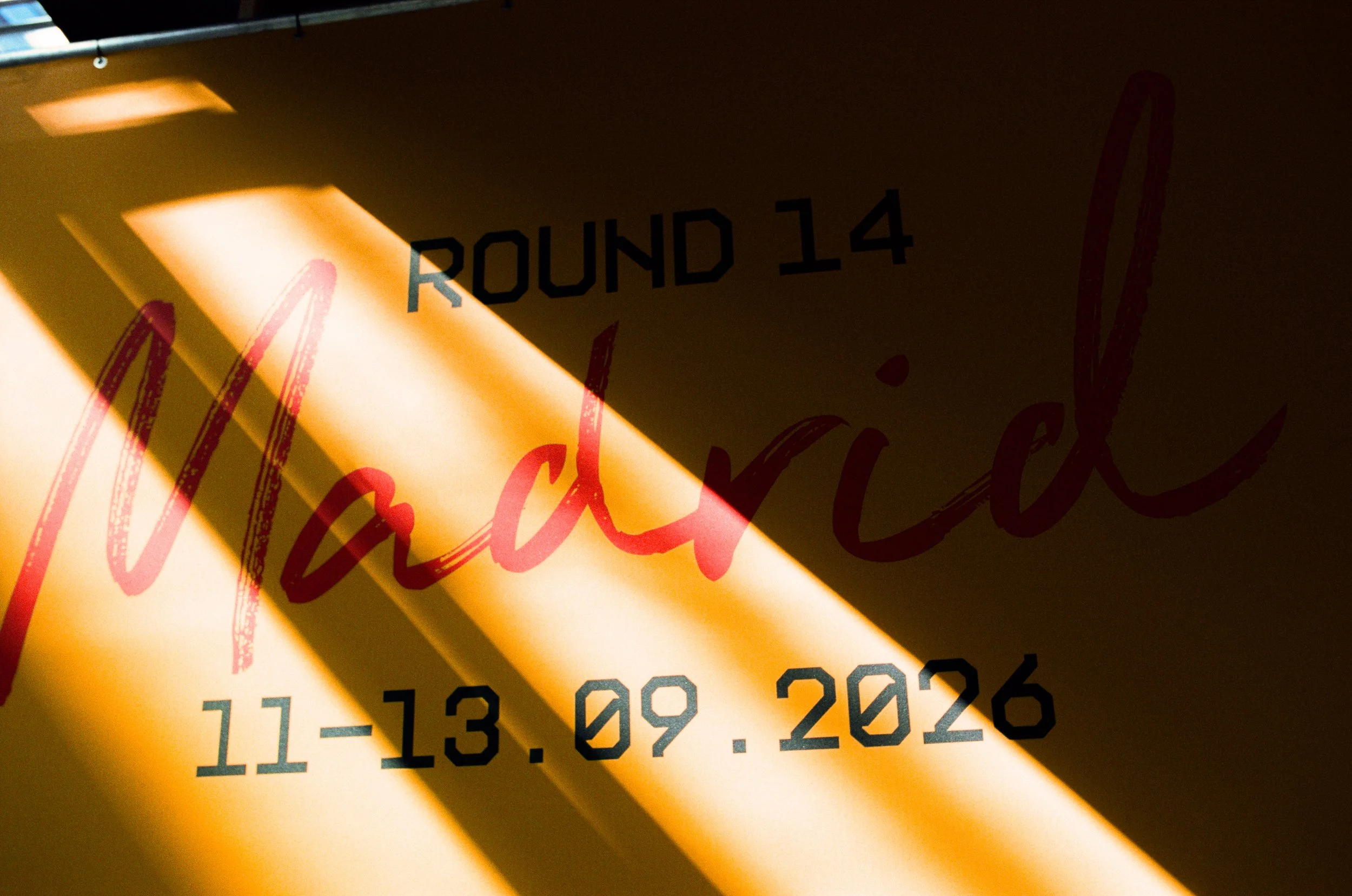
20,244 steps, three cameras, 30-degree heat, a lot of waiting around and missing 22 laps of the race just to get back in position for the podium.
Most of my work is automotive, sport and lifestyle, usually campaign and commercial photography. I’ve worked around Formula 1 before too, including shooting the McLaren drivers in the studio for their season launches, but a live race weekend is a completely different way of working.
Normally I like having some control. Lighting, lenses, working out an idea and refining it. At a Grand Prix you basically control none of it.
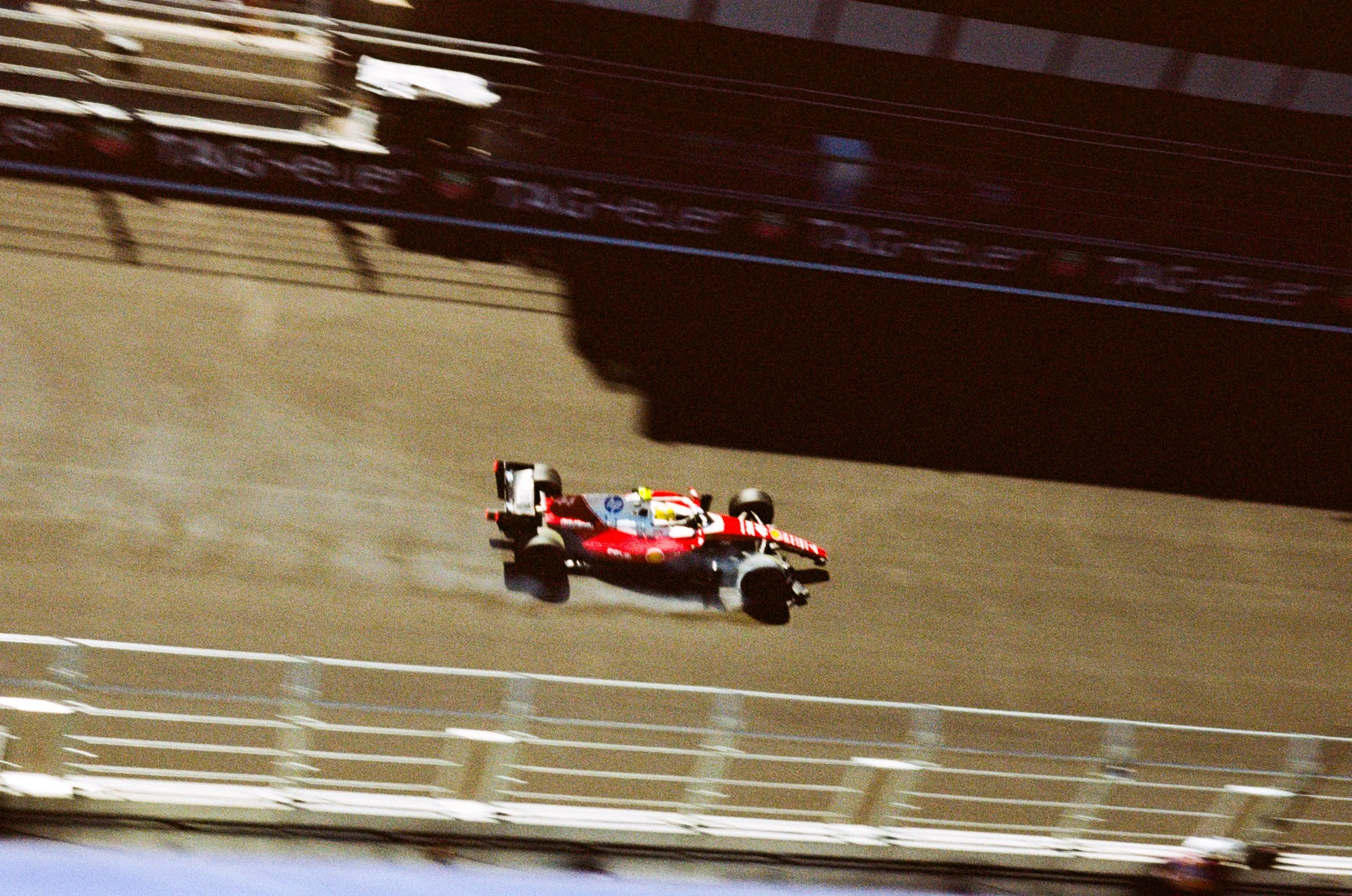
A surprising amount of the weekend is walking, waiting and trying to work out whether a position is actually going to give you a picture. You need some idea of how the cars will use that part of the track before you get there, then work out how many laps you can stay before moving on.
Some positions in Madrid were only accessible at certain times and had to be escorted. You might wait 15 minutes to get onto a rooftop, shoot five laps, then already be thinking about the next spot.
Getting there is another matter. From somewhere like La Monumental it could be a 30-minute run back carrying three cameras and a massive telephoto in the heat, or waiting for a media shuttle. I clocked 20,244 steps on the Thursday alone.
The biggest thing I learnt was that you can’t photograph everything.
For shooting the podium, I missed around 22 laps getting back across the circuit. Once you’re there, you’re packed into a scrum of photographers and there’s not much you can do if you’ve picked the wrong position or someone moves in front of you. Some of it is experience and planning, but some of it is definitely luck.
Madrid being a new circuit made that quite interesting because everyone was working it out.
Between all of this, you’re back in the media centre downloading cards, editing and sending pictures out before heading off again. The days were 12 or 13 hours and by the end my desk was just cameras, lenses, cards, cables, batteries, bits of paper and whatever food I’d managed to grab.
I still wanted the pictures to feel like my work, though.
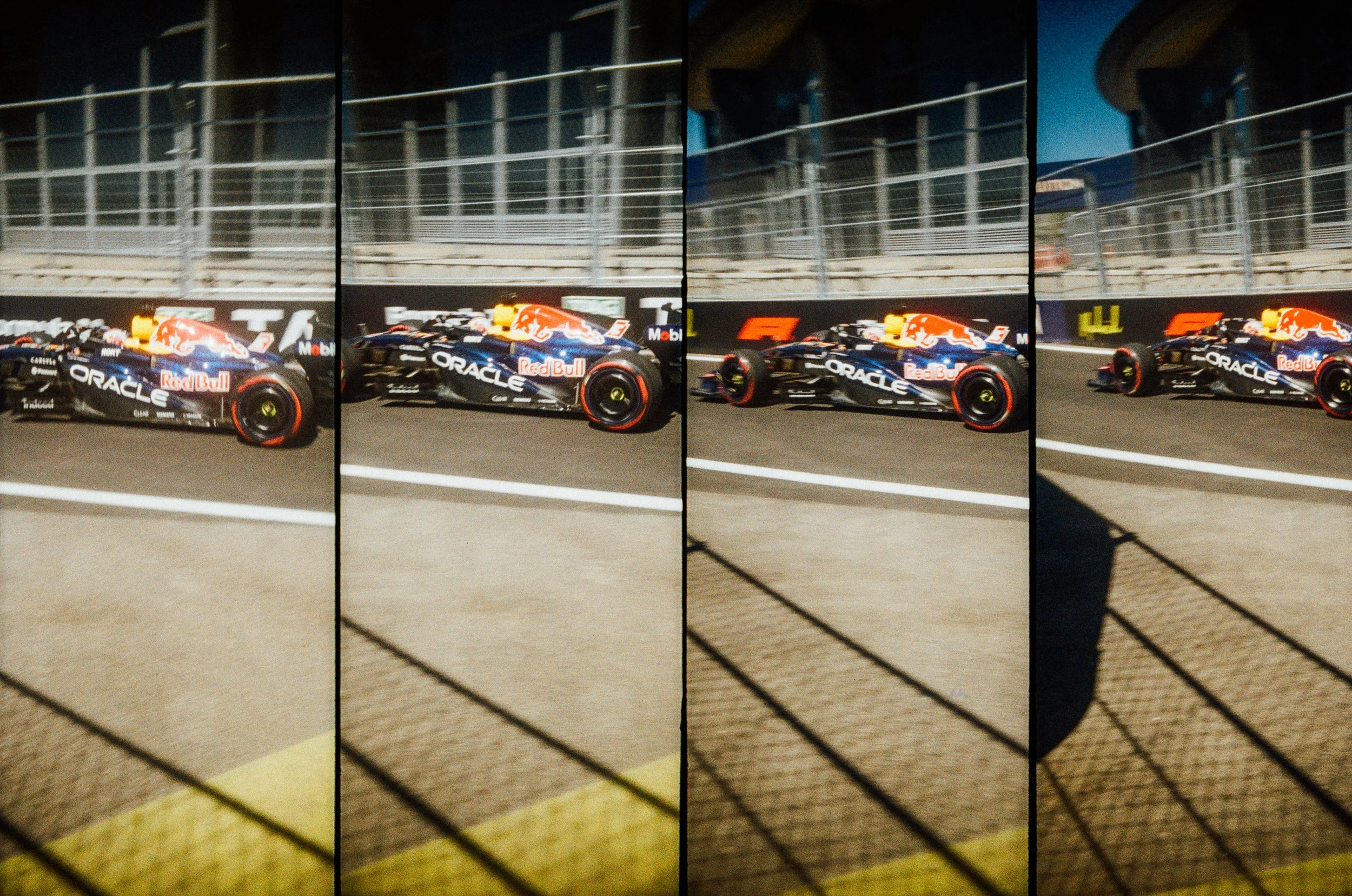
Alongside the digital cameras, I took some 35mm, but the experiment I was most interested in was a little multi-lens film camera.
What’s interesting to me is the repetition across the frame, almost like a contact sheet happening in real time. It breaks one moment of speed into a sequence.
Rather than freezing the cars, I wanted to see what happened when you broke the movement down across the frame instead.
There’s obviously a fair bit of chance involved. You judge where the car is going to enter, press the shutter, and that’s it. No screen, and no idea whether your timing worked until the film comes back.
I think that unpredictability is probably why I like the pictures.
I came away from Madrid exhausted, but already thinking about another one. Every circuit has different corners, light, architecture and access, so I’d love to take the same approach somewhere else on the calendar and see what comes out of it.